

Is Liverpool overlooked as an investment location?
Liverpool is emerging from Manchester's shadow as a leading North West buy-to-let hotspot, driven by accessible entry points and robust market momentum. With average house prices at £189,000, substantially lower than Manchester's £252,000, and annual rent growth of 5.6%, the city provides strong initial yield performance. Transformational projects such as the £5bn Liverpool Waters and the £2bn Pumpfields district underpin solid long-term capital growth.
Insight highlights
Average Liverpool house prices sit at £189,000 compared to Manchester's £252,000, presenting a significantly lower financial barrier for investors entering the North West market
Annual rental value growth reached 5.6% in 2026, delivering attractive cash-flow yields alongside steady capital appreciation across prime postcodes
Major masterplans like the £5bn waterfront Liverpool Waters and the 75-acre Pumpfields brownfield district drive future local economic expansion and housing demand
With Manchester’s undeniable success over the past decade, investors have been focusing their attention and capital on this economic powerhouse.
As a result, Liverpool has been consistently overlooked as a buy-to-let investment hotspot. But with its low entry prices, regeneration and growth potential, is it beginning to shift?
Looking at the numbers
Liverpool has experienced a healthy increase in both house and rental prices over the year. Average house prices currently sit at £189,000, up an impressive 8.1% in the past year (ONS, 2026).
Compared to Manchester, which sits at £252,000 (ONS, 2026), Liverpool's average house price is £63,000 lower, highlighting a much more accessible entry point.
This sustained growth has also been evident in rents, with a 5.6% increase in the last year. Manchester also saw steady rental growth at 4.2%, but the Merseyside city again shows positive signs (ONS, 2026).
Liverpool's ongoing momentum
The city is undergoing huge change with major regeneration projects across the city. Continued investment throughout Liverpool is adding to its value and giving investors a reason to pay attention.
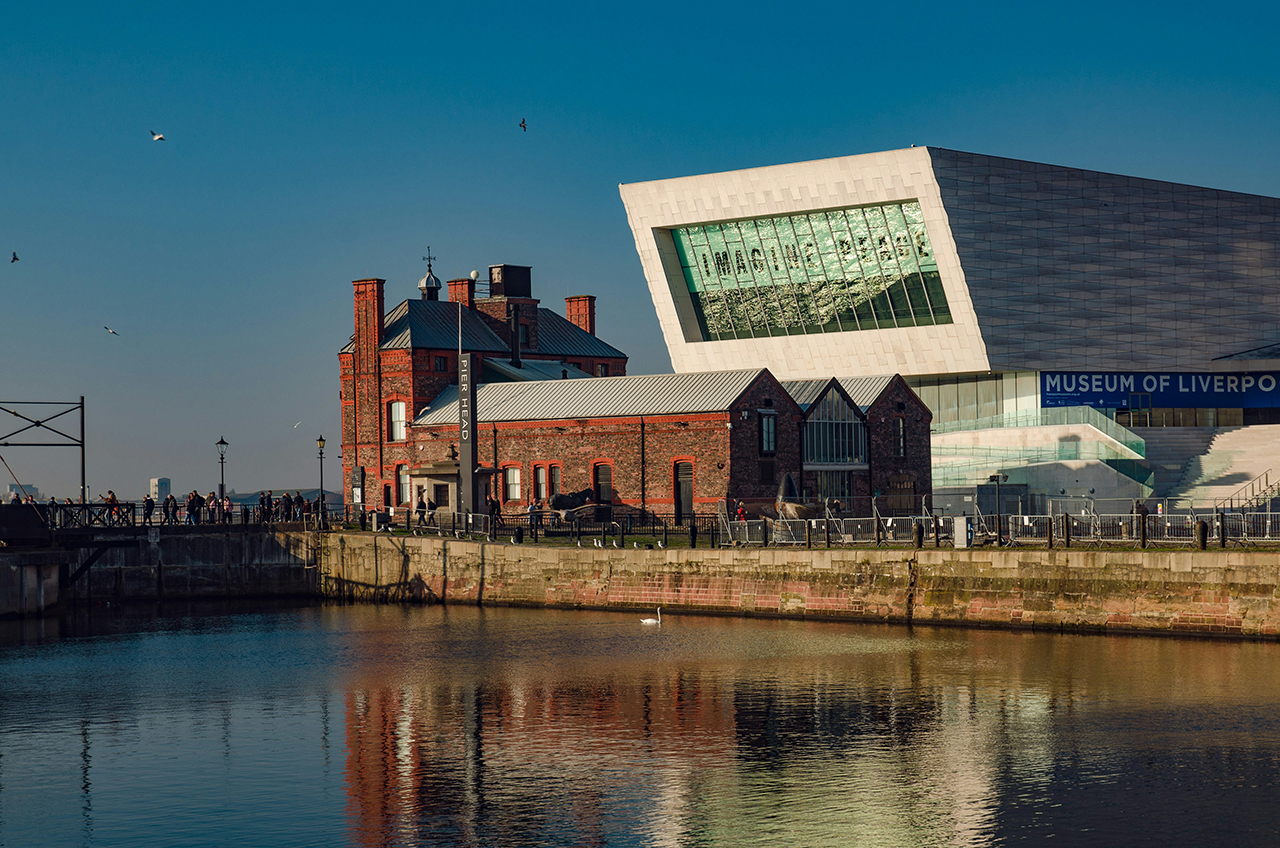
A leading example of Liverpool's growth and status as an investment location is Liverpool Waters. A £5bn scheme in the north of the city that spans across 2.3km of waterfront, set over 30 years, it's one of Europe's biggest projects.
Similarly, nearby is the £2bn Pumpfields regeneration zone, a major growth district that will see 75 acres of brownfield land repurposed into new homes and commercial space.
Already home to major developments such as The Forge, this key area will improve connectivity and infrastructure from the North of the city.
A city that shows growth
The potential scope for growth across Liverpool is huge, which gives investors the edge when it comes to making the best possible return on investment.
Major regeneration projects scattered across the city will continue to create employment, attract capital and improve the city's liveability.
In January, the government announced that new rail routes between Liverpool and Manchester will be developed in the 2030s thanks to multi-billion-pound investment.
This opens it up to even more opportunities but primarily highlights the forward-facing growth Liverpool is determined to achieve. Smart investors will act now to make the most of this planned development.
Where you should look
Whilst other northern powerhouses such as Manchester somewhat overshadow the Merseyside city as a hub for major employment and travel, Liverpool's position as a buy-to-let investment hotspot has definitely gone up the ranks and is beginning to gain major traction.
Manchester still offers a great investment opportunity; Liverpool just adds to the North West’s repertoire as a leading investment location, consistently outpacing southern regions for growth.
Where you should look depends on your investment strategy: whether you want to begin your journey or add to your portfolio, we, The Prestbury Advisory, can help.

.webp "The difference between buying property and investing in property")


