Is Manchester's success story one that can be copied?
Why is Manchester growing so quickly? The city’s success is powered by major regeneration, a booming economy, leading universities and strong cultural appeal. From MediaCity and new developments to rising property demand and business investment, Manchester has become one of the UK’s most attractive cities for living, working and investing.
Insight highlights
Average annual growth rate of 3.1% since 2015, with house prices up 25-30% and rents reaching £1,205 pcm
Strong economy fueled by financial, media, and tech sectors, attracting companies like Booking.com, Revolut, and Amazon
World-class universities, cultural landmarks, and major regeneration projects retain talent and boost the city’s global appeal
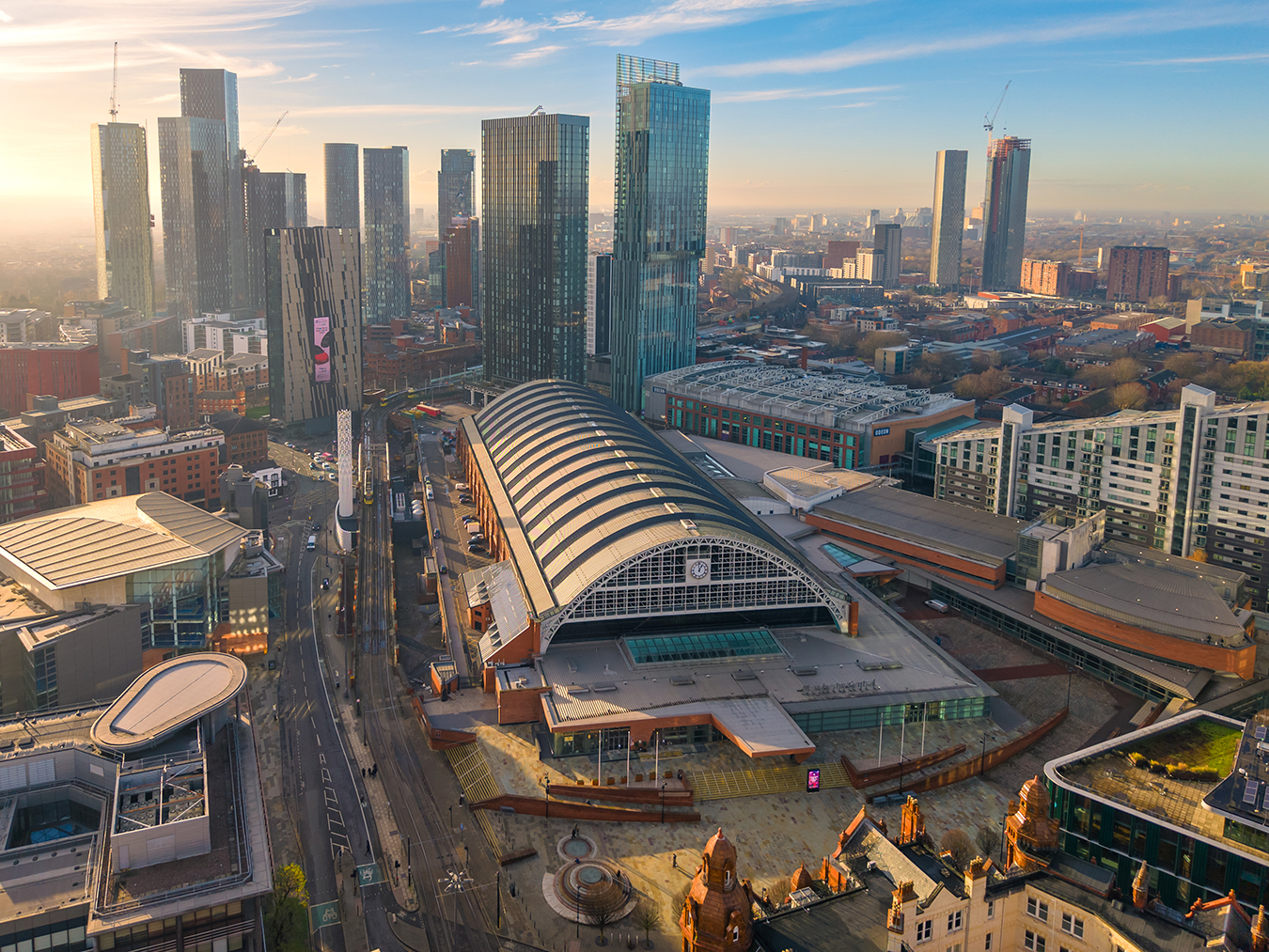
Manchester's growth has come at an exponential rate over the last decade. Today, as you look across the city, it's hard to miss the abundance of cranes filling the skyline as it grows taller and wider.
The city is bustling with people, new restaurants and bars are opening thick and fast, and businesses are choosing Manchester as their new home. There is a palpable sense of excitement and prosperity within the city. But was this city's success always inevitable?
The city's changing landscape
Manchester has undergone drastic changes, particularly over the last 5 to 10 years; the city centre is almost unrecognisable. New towers are rising around every corner, with the most recognisable being the new Jackson District in Deansgate.
The city is flooded with young professionals, graduates from one of the four universities and apprentices filling up new offices for companies that are flourishing within the economy.
Residents are enjoying an exceptional culinary scene with new restaurants and bars popping up everywhere. Two Michelin-starred restaurants, Mana and Skof, are setting the standard for world-class dining in Manchester.
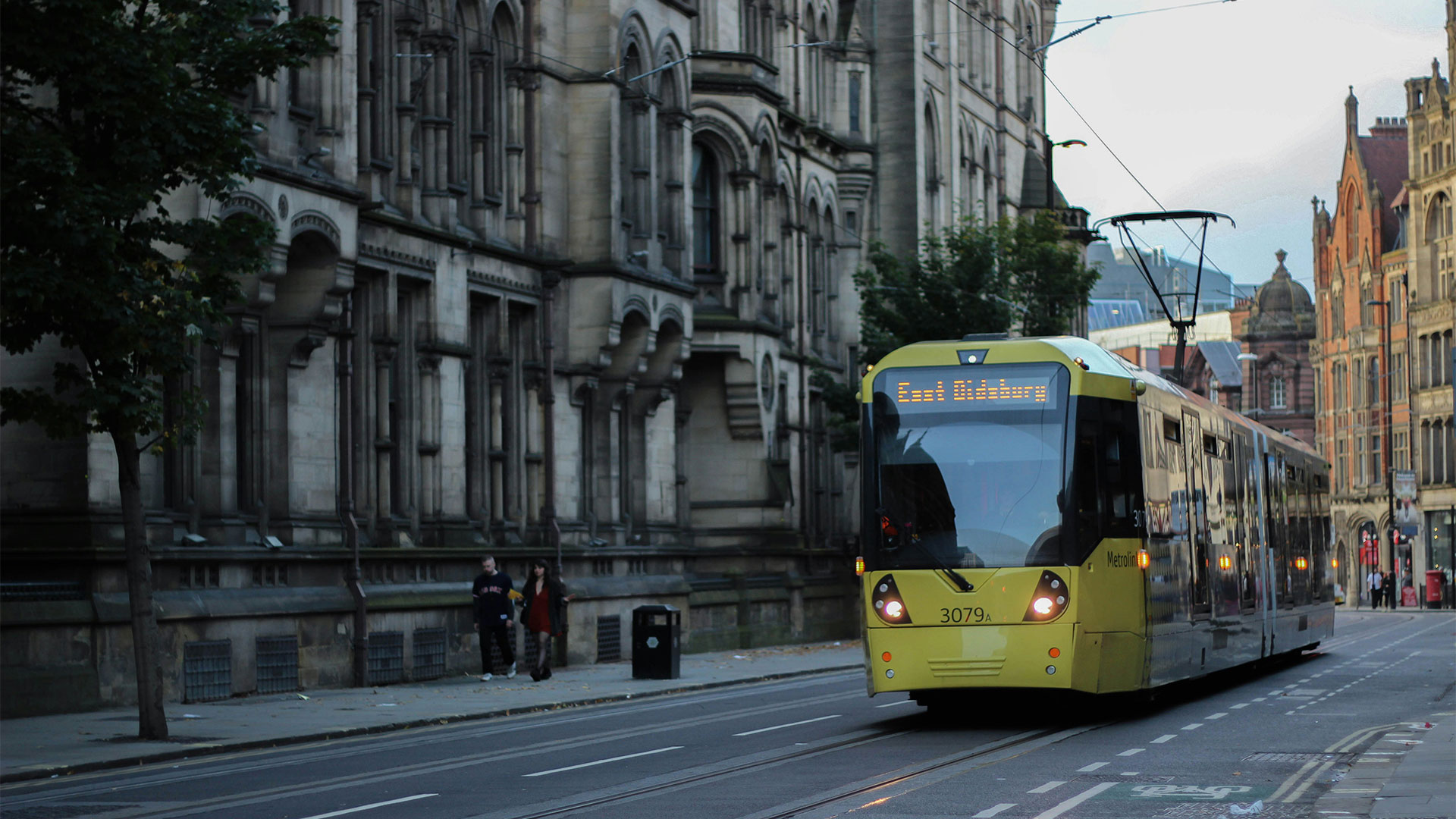
Manchester has all the tools it needs to thrive, which is why it has achieved such success. There is plenty of space, a solid transport infrastructure connecting the city, an educated young population, skilled workers and cultural assets. Consequently, Manchester has become the UK’s fastest-growing city region, with an average annual growth rate of 3.1% since 2015.
Educating the population
The four major universities and other specialised educational institutions play a huge role in attracting and educating students and, importantly, retaining graduates within the city.
Manchester University is the most established of them all, ranked 6th in the UK. It has over 44,000 students from around 190 countries, and more than 12,000 employees. In 2024, it was the most popular Russell Group university in the UK with 93,450 applications.
Alongside established facilities, several specialised higher education institutions have opened, such as UA92. Co-founded by Lancaster University and the class of 92, it specialises in career-focused teaching across Media, Business, Digital and Sport.
Beyond its universities, Manchester’s growth is fueled by its sheer desirability. In a connected world where lifestyle trends dictate migration, the city has become a premier destination for those who want to be at the heart of where things are happening.
The growing economy
Now the UK's unofficial "second city”, Manchester has experienced significant growth in its financial, media, and technology sectors. This expansion has led to areas like MediaCityUK becoming crucial business hubs both nationally and internationally.
Established companies are now making Manchester their home due to the young, talented workforce and much lower operational costs (30-40% cheaper than London). Booking.com, Revolut and Amazon are a few of the many now choosing Manchester.
The city has undergone substantial regeneration and attracted considerable investment, causing a surge in its property market. Over the past five years, average house prices have increased by 25-30%, with average rents reaching new peaks of £1,205 per calendar month.
This successful economy has nurtured a talented, well-paid, well-educated population, who feed into the Manchester ecosystem. The buzz around the city is inevitably attracting more and more people to the Northern Capital.
Manchester's culture
The city has an incredible cultural impact which can be felt globally, whether that's Oasis recently completing an iconic international comeback tour or through one of the two Manchester football clubs.
Manchester United and Manchester City continue to attract a huge number of tourists who boost the city’s economy. Both stadiums have, or are undergoing, massive transformations, shaping the surrounding area.
The Co-op Live, a new 23,500-capacity arena built next to Manchester City’s Etihad Stadium, is now hosting shows from globally renowned artists weekly. Next month, the venue is hosting the Brit Awards, relocating from London for the first time in its history.
Manchester United's Old Trafford Stadium regeneration project involves a new 100,000-seater stadium within a £2bn scheme to transform the surrounding area into a new mixed-use neighbourhood.
These cultural signifiers have been part of the Manchester arsenal for a long time, steeped in the city's history, and they are now benefiting the city more than ever, contributing to the economy and putting the city on the global stage.
Conclusion
The feeling around Manchester has definitely changed. Mancunians have always been proud of where they are from; however, in the past, the lack of career opportunities has meant many young people have left for the capital.
In 2024, internal migration data showed that 13,000 Londoners made the move to Manchester, whereas 11,800 made the journey the other way. This highlights a shift from the traditional pull of the capital.
Manchester has always had the raw materials to be the powerhouse it is today, whether that is through the culture the city curated, the talented individuals who live here, or even just its geographical positioning.
Everything seemed to click into place at exactly the right time, a blend of strategy, resilience, luck and timing. Perhaps Manchester’s rise was inevitable, but the real question is whether other cities can recognise their own moment when it comes.