Manchester’s Push for Urban Nature
Manchester’s rapid growth has transformed its skyline and brought significant investment into the city, but the expansion has also highlighted the need for more accessible green space. From Mayfield Park and Castlefield Viaduct to the expanding CyanLines project, efforts are now underway to introduce more nature into the urban environment. With plans for over 100 miles of connected green and blue routes across Greater Manchester, these developments could play an increasingly important role in the city’s long-term appeal. As Manchester continues to attract residents, businesses and investment, creating well-connected spaces for recreation, active travel and nature will be an important part of supporting a sustainable and liveable city centre.
Insight highlights
CyanLines aims to create over 100 miles of connected green and blue routes across Greater Manchester
Castlefield Viaduct is set to enter its next phase, expanding its role as a green space and active travel route
New green infrastructure could strengthen Manchester’s appeal as a place to live, work and invest
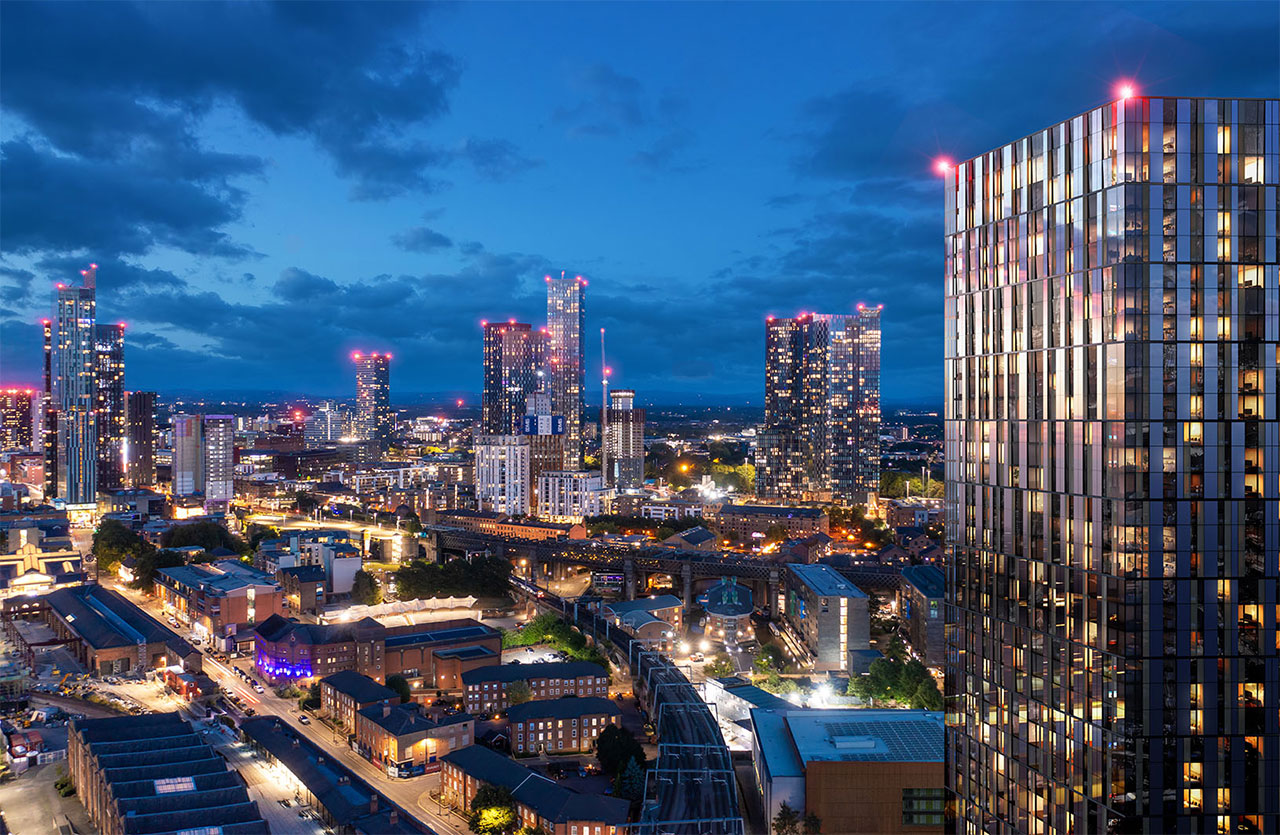
Manchester’s growth over the past decade has transformed the city’s landscape both upwards and outwards. As the centre's population continues to boom, the lack of public green space has become increasingly stark.
Given Manchester’s ambition and the well-documented health benefits of urban nature, the disparity between rapid development and green infrastructure is hard to ignore. But news on "CyanLines" this week signals a major step in the right direction.
Manchester's lack of green space
In the 19th century, Manchester’s Industrial Revolution caused the population to explode. With these huge mills, factories, and rows of terraced housing, open land was replaced.
Planners focused entirely on commerce and manufacturing, leaving little to no room for public parks in the city's core.
Whilst the surrounding suburbs of Manchester are very green, with tree-lined streets and big parks scattered throughout, the centre does not replicate this.
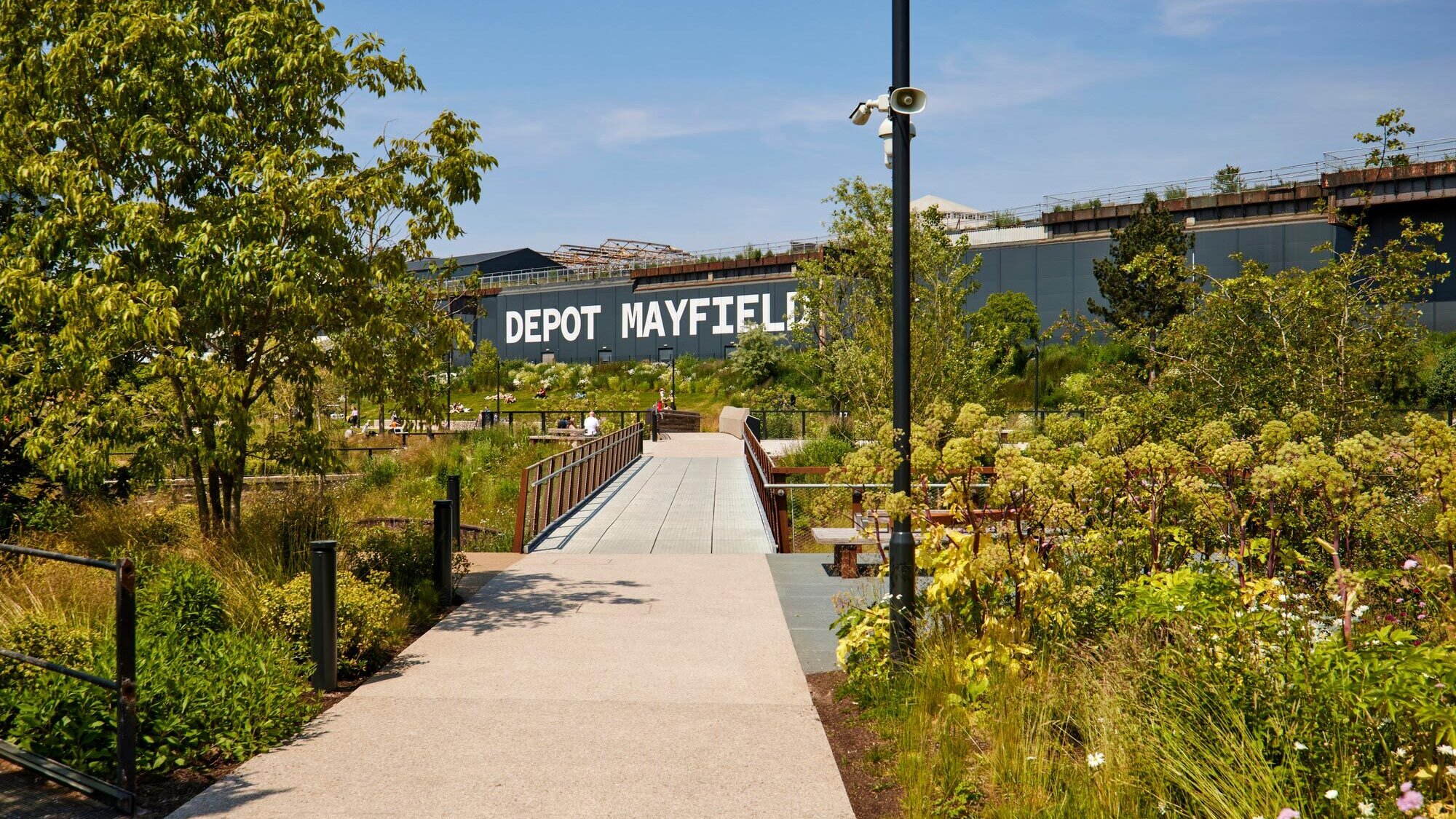
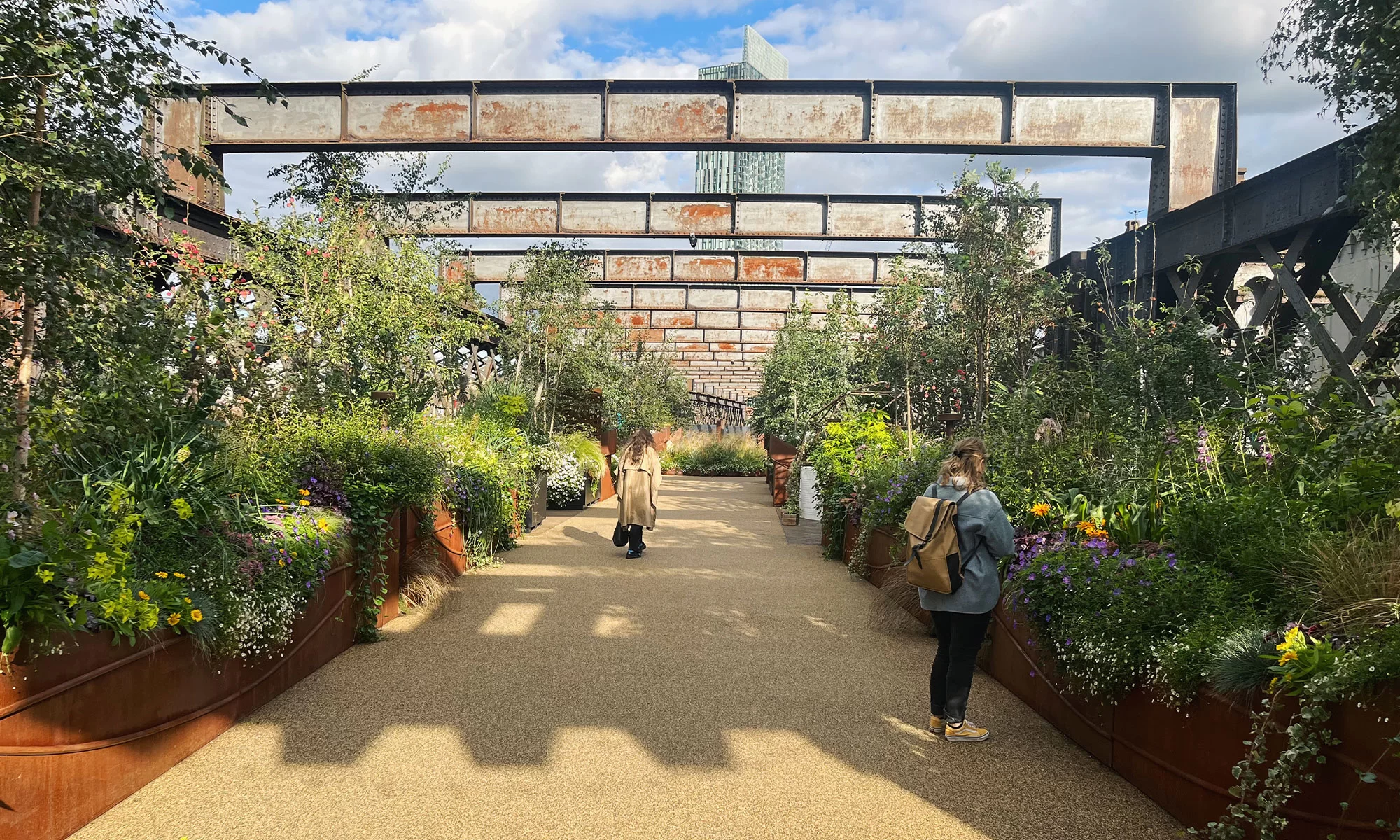
Steps have already been taken to begin the reversal and make Manchester greener. The most significant efforts so far include the 6.5-acre Mayfield Park and the transformation of Castlefield Viaduct, a Victorian-era former railway viaduct turned 'garden in the sky', both of which were completed in 2022.
A new way to connect the city
CyanLines is a partnership project that aims to connect Greater Manchester’s blue and green spaces into a high-quality network of walking, wheeling and cycling routes for residents, for visitors and for nature.
Earlier last week, to celebrate its first year, two big announcements were made. The first was a grant awarded by BUPA to the National Trust for phase two of the Castlefield Viaduct.
This is the next step in enabling the 1km sky park and active travel route across the city, creating an incredible space for people to explore, communities to gather, and for nature to thrive in urban spaces once more.
The second announcement detailed further plans and developments in the CyanLines project. The aim is to create over 100 miles of green and blue routes traversing Manchester and Salford, stretching right out across Greater Manchester and connecting the city.
Why green space matters
Being amongst green spaces significantly improves mental health by lowering stress, reducing anxiety, and boosting overall emotional well-being.
Access to these urban green spaces is essential for city centre residents to enhance their overall quality of life.
For Manchester to continue evolving as a premier destination for capital and investment, it needs the right attributes to make people want to live and remain in the city long-term.
CyanLines has already made its mark by installing 12 sweet gum trees along Deansgate, with many residents noting the improved appearance from this simple addition.
As Manchester continues to grow, integrating more green space into its evolving urban landscape will be increasingly important in creating a city that is not only successful, but also an attractive and enjoyable place to live.