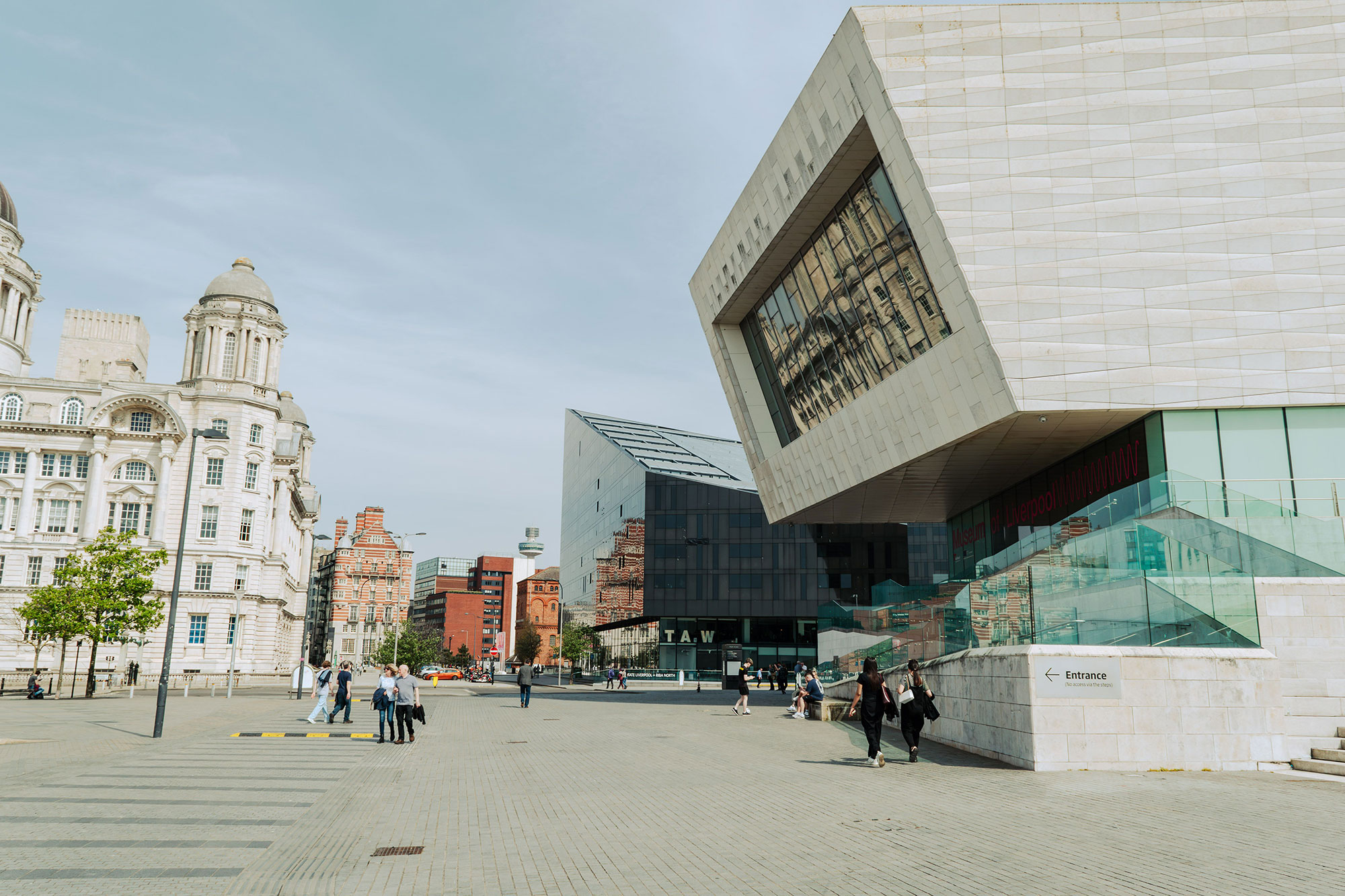
Liverpool's changing economy is creating new opportunities
Liverpool’s transition from an industrial maritime port into a modern, service-led economy is reshaping its property investment profile. Rapid expansion across life sciences in the Knowledge Quarter, digital technology in the Baltic Triangle, and a 96,000-strong professional services workforce have propelled Liverpool to third in England for graduate retention at 76.26%. Coupled with 5.4% annual rental growth, the city offers compelling long-term yield potential.
Insight highlights
The Liverpool City Region's professional and business services sector now encompasses 12,000 enterprises and 96,000 workers alongside booming life sciences and digital technology clusters
Liverpool ranks third among English cities by retaining 76.26% of its university graduates, securing a steady domestic pipeline of young corporate renters
Expanding professional employment and housing demand pushed average Liverpool monthly rents to £916 in September 2026, marking a 5.4% year-on-year increase
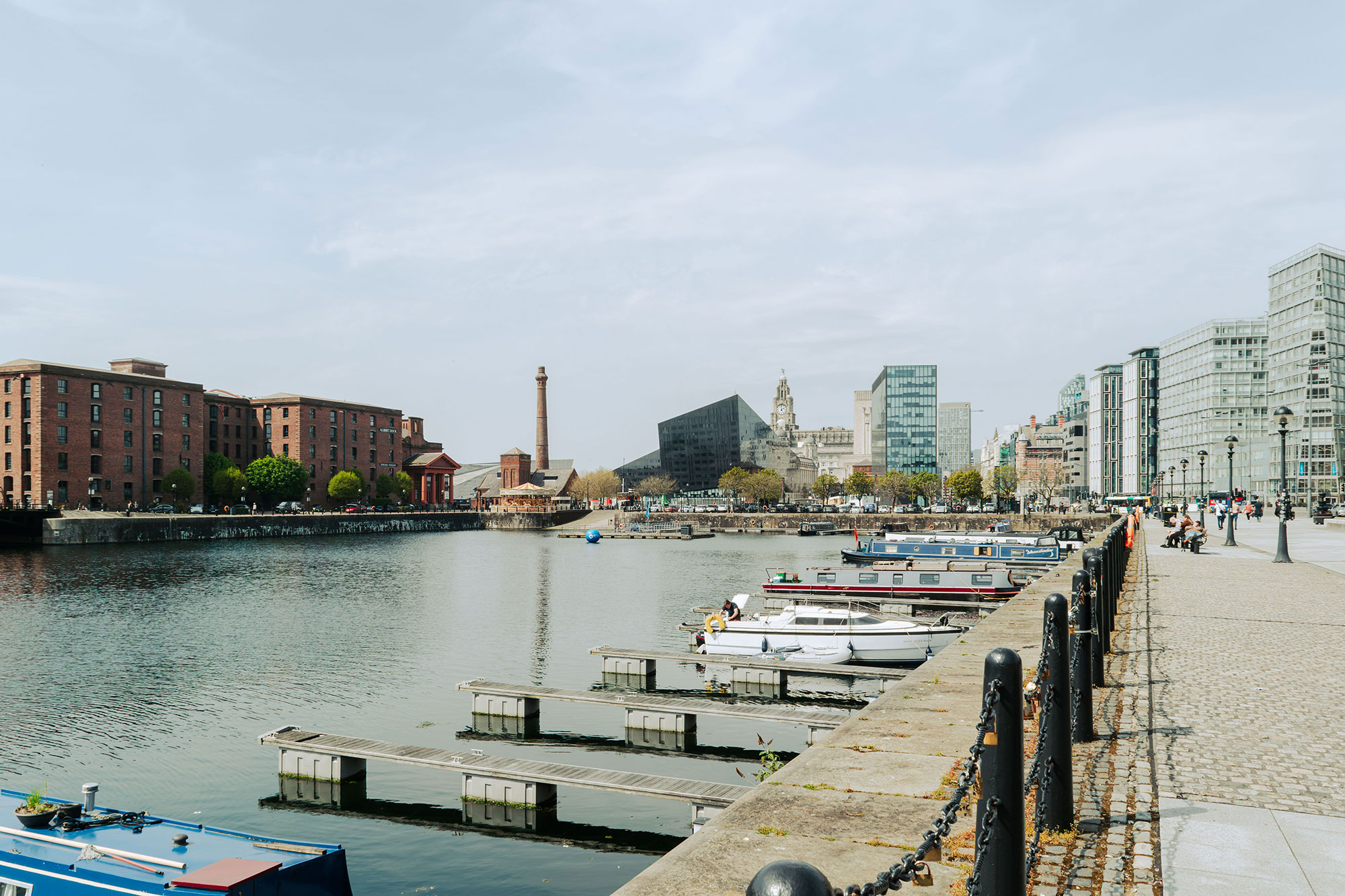
Liverpool's economy is evolving beyond its traditional strengths, with new industries reshaping the city's economic landscape.
As professional services, life sciences, digital technology and tourism continue to grow, the city's employment opportunities are becoming increasingly attractive. For property investors, this points towards rising demand for quality rental accommodation.
Liverpool's changing economic landscape
Thanks to its geographical position, Liverpool's economy was historically built around maritime trade. The city grew into one of the world's most important trading hubs, supporting the expansion of industries such as finance and insurance.
However, by the mid-20th century, advances in global manufacturing and changing export methods led to a significant decline in port activity. This contributed to widespread deindustrialisation and a prolonged period of economic decline.
Today, Liverpool has transitioned into a modern, service-driven economy. The city has also experienced growth in life sciences, centred around the Knowledge Quarter, technology businesses in areas such as the Baltic Triangle, and an increasingly important tourism sector.
The rise of professional employment
As the city moves beyond its industrial roots, professional and business services have become a major source of employment across the city region. The sector now comprises 12,000 businesses employing approximately 96,000 people (Liverpool City Region, 2025).
Looking ahead, this sector is well positioned for further growth, with an estimated 17,000 students studying courses related to professional and business services (Liverpool City Region, 2025).
Furthermore, Liverpool ranks third among English cities for graduate retention, with 76.26% of graduates choosing to remain in the city. This places it just behind London (84.20%) and Manchester (76.30%).
A changing tenant demographic
Liverpool's evolving economy is also reshaping its population. With strong graduate retention and expanding employment opportunities, more young professionals are choosing to make the city their home.
This growing professional workforce presents an opportunity for property investors, supporting demand for well-located city centre rental accommodation.
Liverpool's employment growth and long-term economic investment are two important indicators of a city's potential when considering an investment property.
What this means for investors
Liverpool is undergoing a 21st-century transformation, driven by economic growth and a series of major regeneration projects. Together, these developments are strengthening the city's appeal as a place to live, work and invest.
However, as more people look to benefit from Liverpool's growing economy, housing supply will need to keep pace with demand. This creates opportunities for investors looking to enter a market with an increasingly attractive employment and rental outlook.
Average rents in Liverpool reached £916 per month in September 2026, representing a 5.4% increase year-on-year (ONS, 2026). While this highlights continued rental growth, the city's ongoing economic development could provide further opportunities for the market.