The impact of the Strait of Hormuz on the UK
The Strait of Hormuz remains a key global energy route, with around 20% of oil and LNG passing through daily. Recent tensions have impacted fuel prices and markets worldwide, but a conditional ceasefire and reopening efforts highlight ongoing diplomatic progress. Investors and businesses continue to monitor energy stability and economic impacts.
Insight highlights
The waterway facilitates 20% of global energy trade, valued at roughly £447 billion annually
Iranian threats and drone attacks have blocked over 1,000 ships, causing UK gas prices to double
A Pakistan-mediated two-week ceasefire has been agreed upon to temporarily reopen the strait
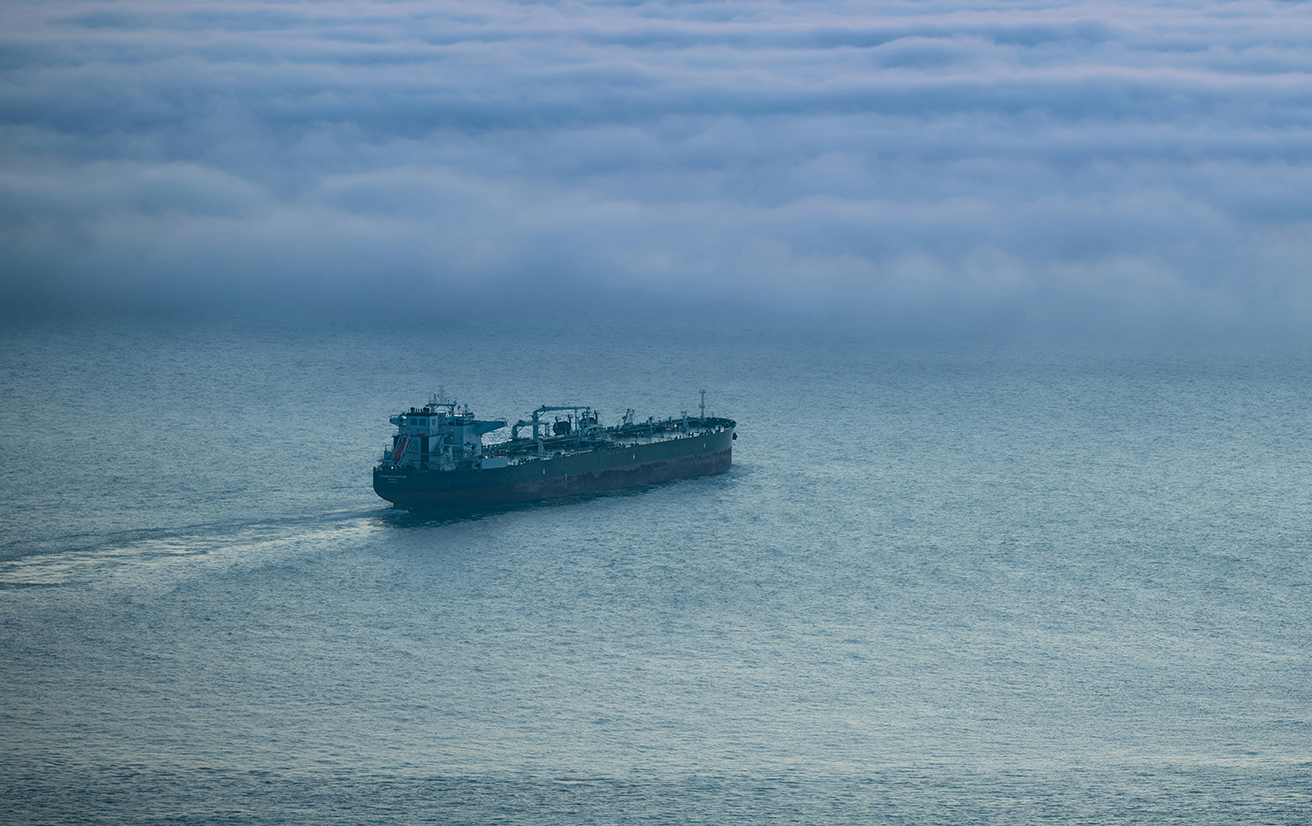
The Strait of Hormuz is a vital part of the world's oil distribution and one of its busiest shipping channels.
It's estimated that about 20% of the world's oil and liquefied natural gas (LNG) passes through the strait, and the current war in Iran has sent global fuel prices soaring and is having an impact on economies all around the world.
What is it and where is it?
The Strait of Hormuz is a narrow stretch of water located between Iran, the United Arab Emirates (UAE) and Oman, and is the only maritime passage out of the Gulf. At its narrowest point, which is controlled by Iran, the strait is just 21 nautical miles wide (39km).
It connects the Gulf with the Arabian Sea, hence its importance as a global shipping route. The strait is deep enough for the world's biggest crude oil tankers and is used by major Middle Eastern oil and LNG producers.
The US Energy Information Administration (EIA) estimates that in 2025, about 20 million barrels of oil passed through the waterway per day. That equates to nearly £447bn worth of energy trade per year.
Its importance in the current war
Before the war between Iran and the USA began, around 3,000 ships sailed the Strait of Hormuz each month; however, the number has now dramatically decreased.
Iran is effectively blocking it and threatening to attack tankers and other ships. The threats come in the form of drone attacks, sea mines and fast attack boats, presenting a hostile challenge for boats wanting to travel through the strait.
The BBC stated, “By March 20th, the BBC has been able to verify 20 attacks on commercial vessels off the Iranian coast”.
Whilst the blockade is not a physical one, the threats are enough to stop tankers from passing through. According to The Guardian (March 16th), more than 1,000 cargo ships, mainly oil and gas tankers, have been blocked from passing through the strait. This has resulted in a sharp rise in oil prices and a volatile market.
The global impact
The impact is far-reaching, with governments in Asia ordering employees to work from home, cutting the working week, declaring national holidays and closing universities early in order to conserve supplies.
China, specifically, is one of Iran's biggest buyers and uses that oil to make products that are exported globally. Higher oil prices could also result in higher prices for consumers of everyday products around the world.
Here in the UK, the biggest effect has been the increase in fuel prices. The war threatens the Bank of England’s hopes of bringing high inflation under control for the first time in years, says Reuters.
The price of gas has almost doubled this month. This is significant as the UK is largely run on gas. Added to this, the price of gas typically sets UK electricity prices, unlike in France, where electricity is generated by nuclear plants.
What is the current standing?
Iran's message to the United Nations last week stated that it would allow “non-hostile vessels” to pass through the Strait of Hormuz, provided that they coordinate with the Iranian authorities.
President Donald Trump has repeatedly suggested that a deal to end the Iran war could come soon. However, Iran continues to downplay the prospects of a peaceful resolution.
Rising tension between the two suggests that an end is not as close as President Trump might suggest. Attacks on Israel by Iran were reported earlier last week, and the US has suggested ground forces may be deployed to “take the oil in Iran”.
The US and Iran have reportedly agreed on a two-week “conditional” ceasefire on Tuesday evening. This ceasefire includes temporarily reopening the Strait of Hormuz, after a last-minute diplomatic intervention that was led by Pakistan. This cancelled Donald Trump's ultimatum for Iran to surrender or face widespread destruction.
.webp "The difference between buying property and investing in property")